Soil carbon responses to enhanced rock weathering
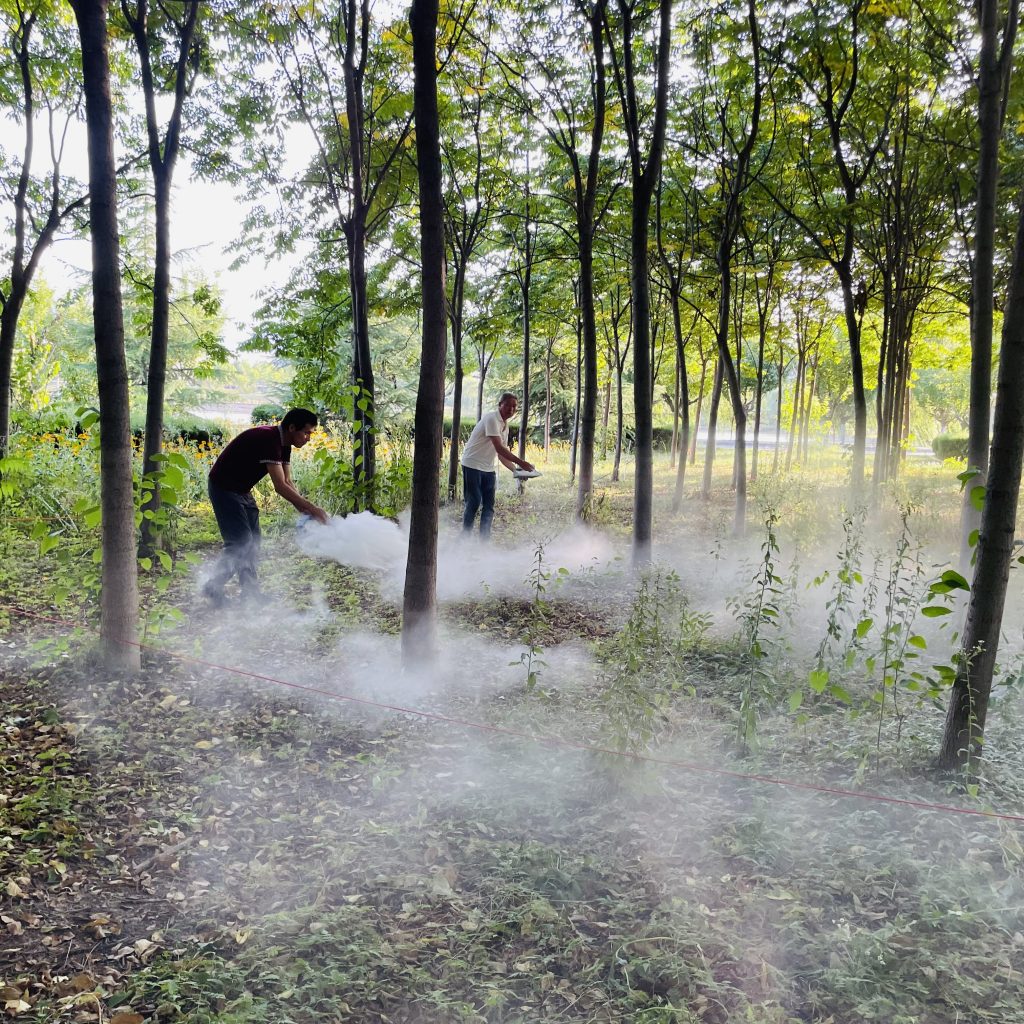
This project studies how enhanced rock weathering (ERW) can help remove carbon dioxide from the atmosphere and safely store it for centuries and longer. ERW works by spreading crushed rock on land, where natural processes capture carbon and turn it into stable forms. While this method shows strong potential for fighting climate change, its effects on soil carbon are still not well understood. In particular, it is unclear when ERW helps store more carbon in soils and when it might lead to carbon being released. This project aims to better understand these processes by studying how biological activity and chemical reactions in soils interact and affect carbon storage across different environments.
A Combined Field trial & Modeling Approach
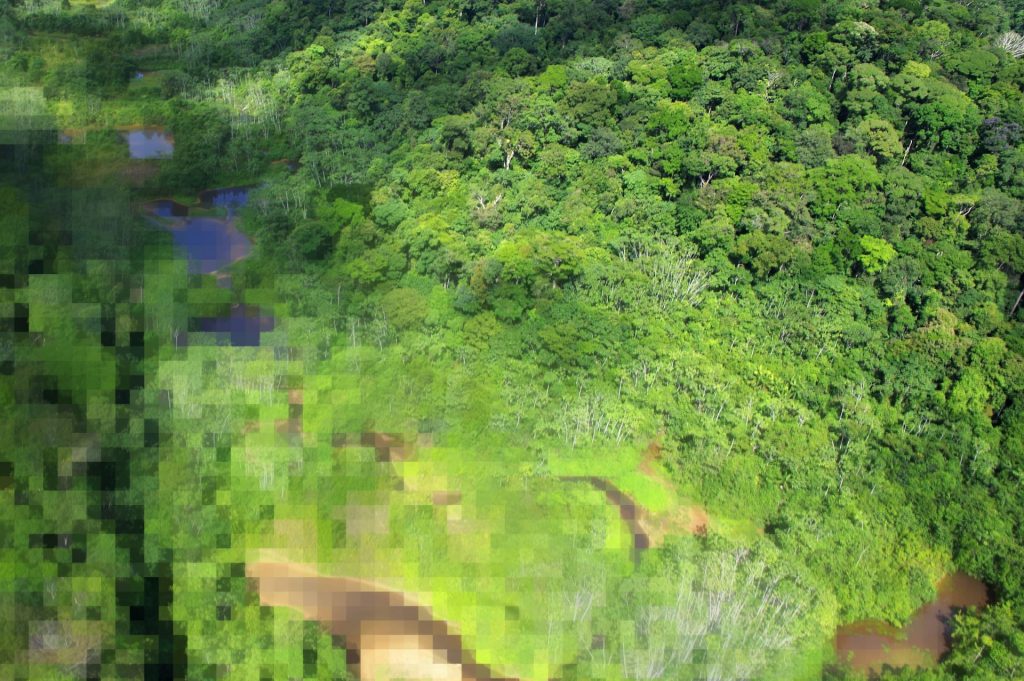
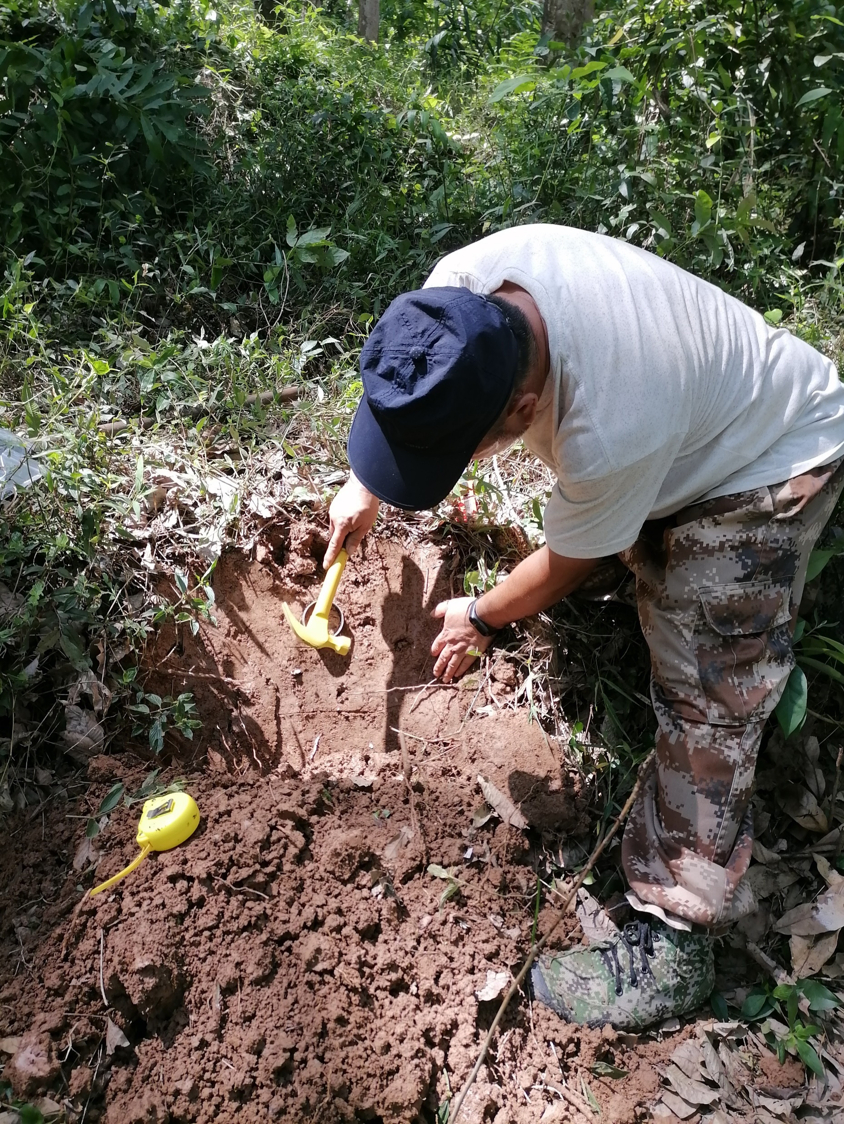
To achieve this goals, the project combines field experiments, computer models, and collaboration with stakeholders. Field studies in agricultural and forest areas will provide data on how soil carbon changes over time, including deeper soil layers. These data will be used to improve models that can predict how carbon storage will evolve in the future under different climate conditions. At the same time, working with stakeholders will help ensure the research is practical and useful for real-world applications. The goal is to provide better tools, data, and knowledge to support the safe and effective use of enhanced rock weathering as a climate solution.
News
The team
Partners